Analysis2026-04-20
Date: February 10, 2026 | Category: Analysis | Reading Time: 10 min
While discussions on the EU-MERCOSUR agreement have often focused on trade in agricultural and industrial goods, the chapter on trade in services and establishment is just as crucial and full of opportunities. The European Union is the world's leading exporter of services, and this sector represents a growing, high-value-added part of its economy. In 2023, EU service exports to MERCOSUR already amounted to nearly €29 billion. The agreement aims to consolidate and improve market access for European companies, providing greater legal certainty, transparency, and predictability. This is a major step forward for sectors ranging from financial services and telecommunications to maritime transport and e-commerce.
The chapter on services is based on the fundamental principles of the WTO's General Agreement on Trade in Services (GATS), but it goes much further in terms of commitments.

The agreement contains specific annexes that detail the commitments for several strategic sectors:
* Financial Services: EU banks, insurance companies, and asset managers will benefit from improved market access and the ability to provide new services. The agreement also guarantees the free transfer of capital related to these activities. This is an opportunity to support European companies investing in the region.
* Telecommunications: The agreement guarantees fair and non-discriminatory access to public telecommunications networks. It establishes pro-competitive rules to prevent monopolies and ensure reasonable prices for interconnection. This will facilitate the provision of online and communication services for all businesses.
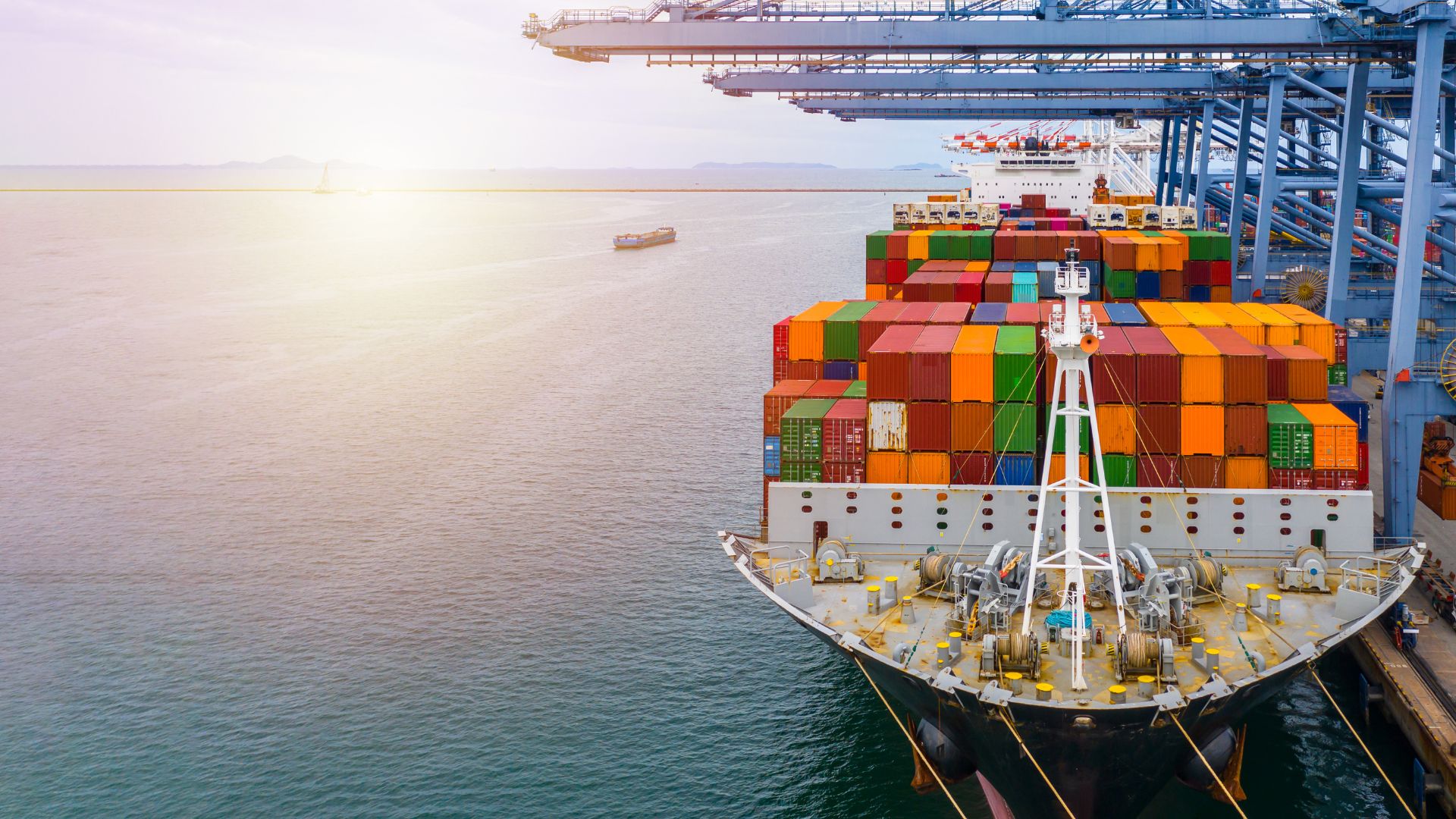
* International Maritime Transport: This is a vital sector for trade in goods. The agreement guarantees that EU shipping companies will be able to freely provide international transport services to and from MERCOSUR ports, as well as ancillary services (such as handling). It ensures the principle of free access to cargo in international trade.
* E-commerce: A dedicated chapter on digital trade prohibits the application of customs duties on electronic transmissions. It also guarantees the legal validity of electronic contracts and electronic signatures, creating a safe and predictable environment for online commerce.
The chapter on services is intrinsically linked to the one on establishment, which concerns direct investment. By guaranteeing the right for EU companies to establish themselves in MERCOSUR countries (through the creation of subsidiaries or branches) and to be treated as local companies, the agreement secures long-term investments.
The European Union is already the largest foreign investor in MERCOSUR. By creating a stable and non-discriminatory framework, the agreement encourages new waves of investment, not only in the manufacturing industry but also in service infrastructures (energy, transport, environmental services).
The agreement also facilitates the mobility of professionals. It provides for the entry and temporary stay of certain categories of key personnel for companies, such as intra-corporate transferees, business visitors, and contractual service suppliers. For example, a European engineer sent by his company to supervise a project in Brazil will be able to obtain a work visa more easily and for a fixed period.
However, it is important to note that the agreement does not create a general right to immigration or access to the labor market. These are targeted provisions to facilitate the exchange of services.
The chapter on services in the EU-MERCOSUR agreement is an essential component that will unlock immense growth potential. It transforms a sometimes opaque and unpredictable business environment into a stable and open regulatory framework, essential for European service companies to thrive in South America.
Working on a concrete case?
20 minutes to identify three opportunities and three risks related to your situation.
Confidential first exchange →Related tool
Discover our services
Join professionals who follow MERCOSUR news. 1 email per week, unsubscribe in 1 click.
Regulatory monitoring, case analyses and legal insights — directly in your inbox, once a month.