Home/News/News
News 2026-02-20 7 min

European Parliament to vote on the agreement in 2026: timeline and stakes

Alessandro Brenci

Attorney at law, international trade law expert

European Parliament to vote on the agreement in 2026: timeline and stakes
Share

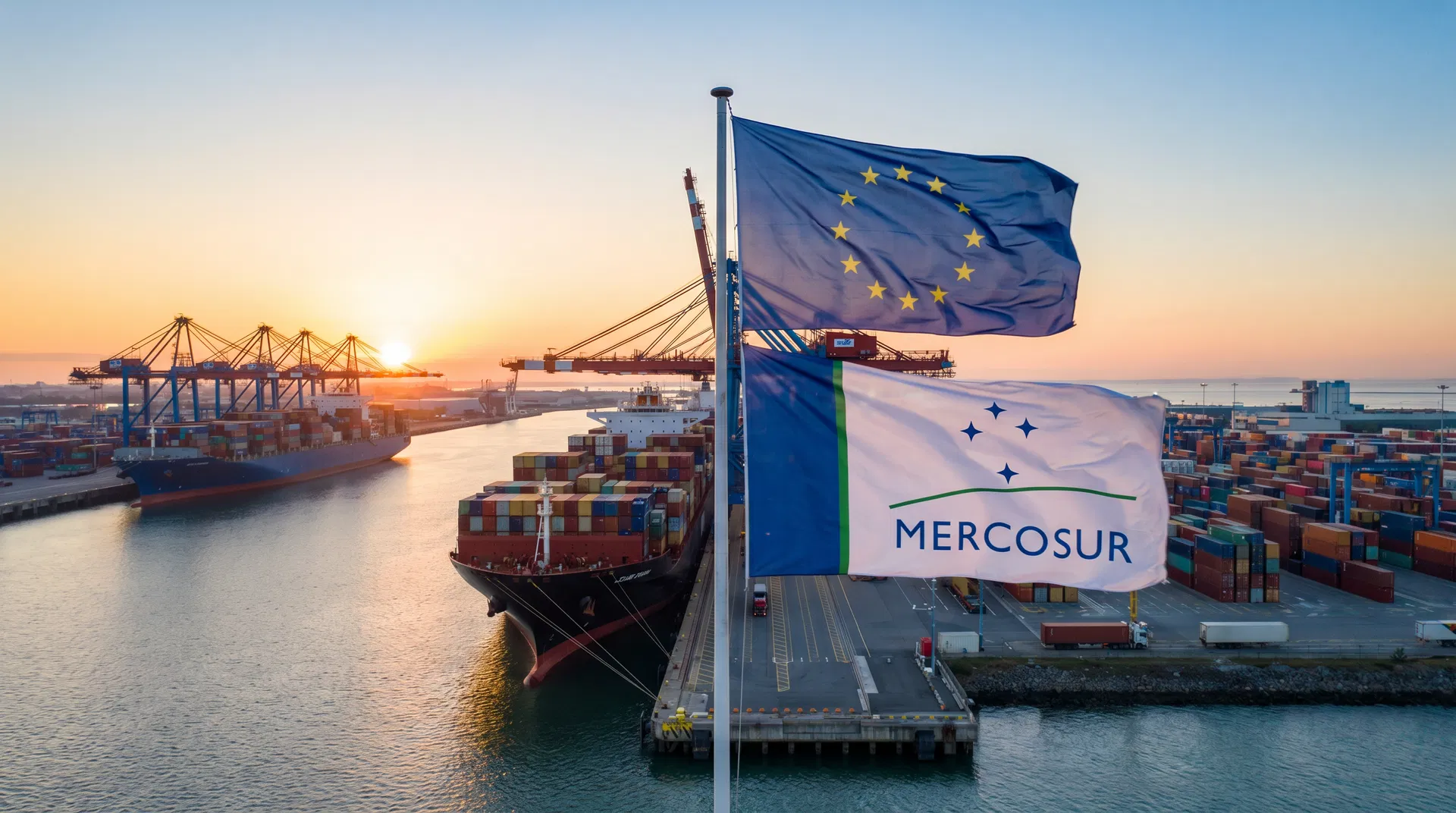
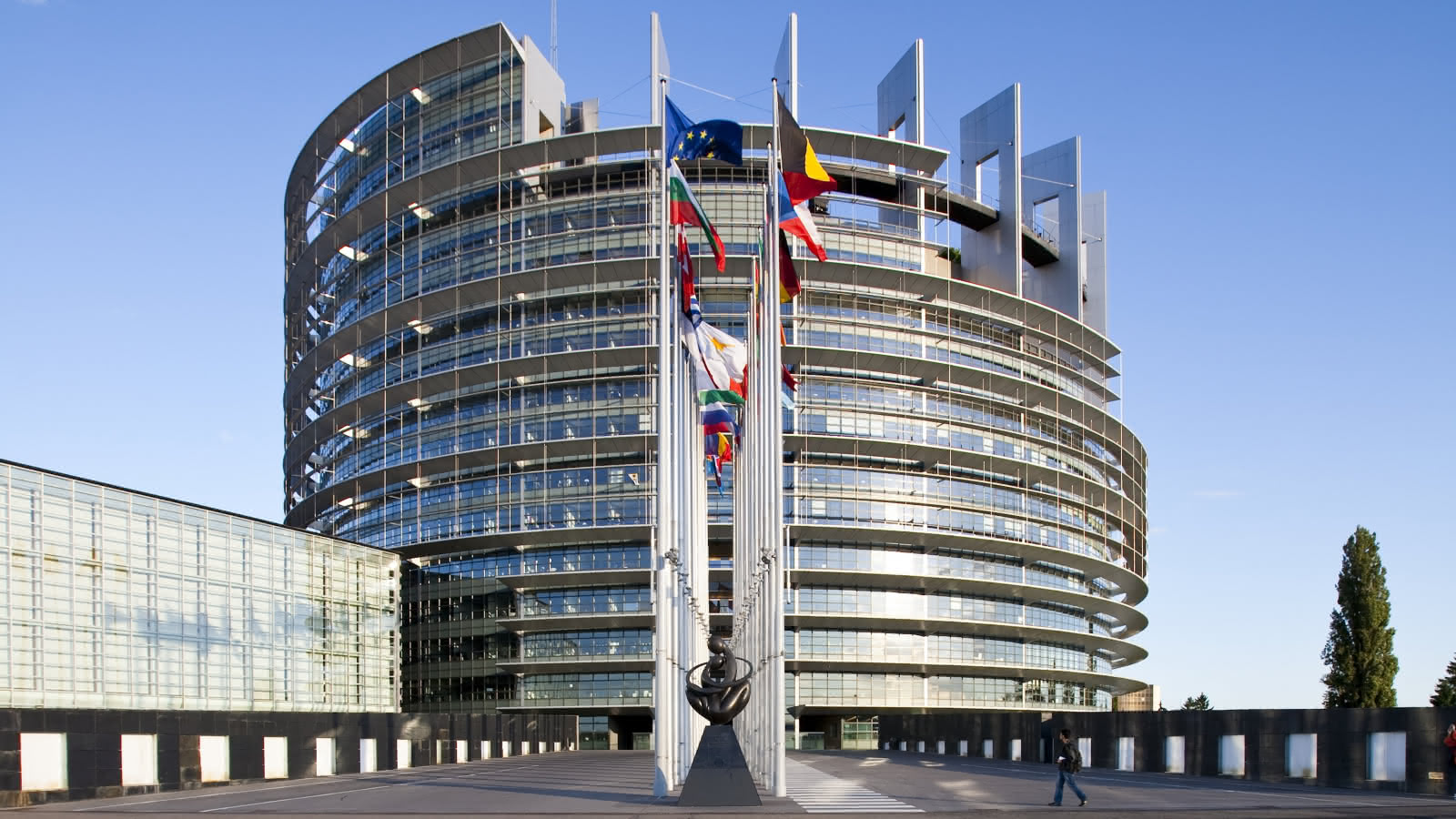
The European Parliament and the EU-MERCOSUR Agreement: Analysis of the 2026 Vote\n\n### Introduction: A Vote That Looks Like a Referendum\n\nJanuary 21, 2026 will remain a key date in the saga of the EU-MERCOSUR agreement. On that day, by an extremely close vote of 334 in favor, 324 against, and 11 abstentions, the European Parliament decided to request an opinion from the Court of Justice of the European Union (CJEU) on the compatibility of the agreement with the European treaties. This vote was not the final ratification vote, but it had the effect of suspending the process and highlighting the deep divisions that run through the hemicycle on this trade agreement, the largest ever negotiated by the EU. The analysis of this vote is essential to understand the political dynamics, the fault lines between the groups and the national delegations, and the concerns that could still derail the agreement, even if the CJEU\’s opinion were to be positive.\n\n### The Timeline: How Did We Get Here?\n\nAfter the conclusion of the political agreement in June 2019, the ratification process was expected to be long. The European Commission, under the presidency of von der Leyen, tried to speed things up by proposing a provisional application of the trade part of the agreement (the iTA), which entered into force on May 1, 2026. However, this strategy was perceived by many MEPs as an attempt to circumvent their power of consent. Anger grew, and a coalition of opponents seized the opportunity of Article 218(11) of the TFEU to force a debate and a vote on a referral to the CJEU. The vote, initially scheduled for the end of 2025, was postponed to January 2026, allowing time for intense lobbying on both sides.\n\n### The Political Dynamics: A Heterogeneous Alliance of Opponents\n\nThe result of the vote reveals a fracture that does not follow traditional party lines. The opposition to the agreement (and therefore the support for the referral to the CJEU) was composed of a heterogeneous alliance:\n\n* **The Greens/EFA**: Spearheading the opposition, they denounced the agreement as a \"climate disaster\", pointing to the risks of deforestation in the Amazon and the increase in greenhouse gas emissions linked to transport.\n* **The Left (GUE/NGL)**: Opposed in principle to neoliberal free trade agreements, it criticized the impact on the rights of workers and indigenous communities.\n* **A large part of the Socialists and Democrats (S&D) group**: The group was deeply divided. The French, Austrian, Irish, and Belgian delegations mostly voted for the referral, relaying the fears of their farmers in the face of competition from South American beef. In contrast, the Spanish, Portuguese, and German delegations, more focused on industrial exports, supported the agreement.\n* **Part of the Renew Europe group**: The centrist group was also divided. The French delegation, under pressure from the Macron government, largely supported the referral, while other delegations (notably Scandinavian and Dutch) were more in favor of the agreement.\n* **The far-right (ID)**: For nationalist and protectionist reasons, part of this group voted against the agreement.\n\nOn the other side, the camp of supporters of the agreement was more homogeneous:\n\n* **The European People\’s Party (EPP)**: The main group in the Parliament, it massively supported the agreement, seeing it as a major economic opportunity for European industry (automotive, machinery, chemicals) and a geopolitical tool to strengthen ties with Latin America in the face of China.\n* **The majority of the Renew Europe group**.\n* **Part of the Socialists and Democrats (S&D)**, notably the German, Spanish, and Swedish delegations.\n* **The European Conservatives and Reformists (ECR) group**, traditionally in favor of free trade.\n\n### Amendments and Environmental Concerns at the Heart of the Debate\n\nThe debate preceding the vote largely focused on environmental guarantees. Supporters of the referral to the CJEU argued that the sustainable development chapter of the agreement was too weak and did not contain a credible sanction mechanism in case of non-compliance with climate commitments (such as the Paris Agreement). Several amendments aimed at strengthening these aspects had been proposed, but they were deemed insufficient by the opponents, who preferred the strategy of blocking via the Court of Justice.\n\n> A French Green MEP declared at the podium: \"We cannot, on the one hand, sign a Green Deal for Europe and, on the other, ratify an agreement that will accelerate deforestation in the Amazon. This agreement is in direct contradiction with our own climate commitments. We ask the Court to confirm this.\"\n\nConversely, a German EPP deputy retorted:\n\n> \"Refusing this agreement means leaving the field open to China in MERCOSUR. It is through engagement and dialogue, enshrined in this agreement, that we can push Brazil and its partners to respect higher environmental standards. The empty chair policy is the worst of all solutions.\"\n\n### Analysis of the Final Result: A Pyrrhic Victory for the Opponents?\n\nWith a gap of only 10 votes, the vote of January 21, 2026 is a victory for the opponents, but it could be short-lived. By suspending the process, they have bought time and scored a political point. However, they have also taken a risk. If the CJEU delivers a positive opinion, validating the conformity of the agreement with the treaties, the supporters of the agreement will be strengthened and will have a powerful legal argument to sweep away the last political resistance. The final ratification vote, which will take place after the Court\’s opinion, could then be easier for them to win.\n\nThe vote also revealed the deep Franco-German divide on this issue. While German MEPs from all major parties (CDU, SPD, Greens) largely supported the agreement, their French counterparts were largely opposed, reflecting the positions of their respective governments.\n\n### Post-Vote Outlook\n\nThe future of the agreement now hangs on the decision of the Luxembourg judges. Several scenarios are possible:\n\n1. **Positive opinion from the CJEU**: The Parliament will have to vote on ratification. The January 2026 vote shows that the outcome is far from certain, but the supporters will have the wind in their sails.\n2. **Negative opinion from the CJEU**: The agreement would be dead on arrival in its current form. It would have to be renegotiated, which seems politically very unlikely.\n3. **Nuanced opinion**: The Court could require clarifications or additional commitments, opening the way for new political negotiations.\n ### Conclusion: A Divided Parliament, an Agreement in Abeyance\n\nThe vote of January 21, 2026 was not a simple procedural vote. It acted as a revealer of the tensions running through the European Union on its development model, between free trade as a vector of prosperity and geopolitical power, and the growing demand for coherence with climate and social objectives. The EU-MERCOSUR agreement has become the symbol of this contradiction. The outcome of the final vote, when the Parliament is called upon to ratify (or not) the agreement after the Court\’s opinion, will depend on the ability of European leaders to reconcile these two imperatives. Until then, the largest trade agreement ever negotiated by the EU remains in legal and political limbo.

Working on a concrete case?

20 minutes to identify three opportunities and three risks related to your situation.

Confidential first exchange →

Related tool

View the regulatory calendar

Access

Receive our analyses directly in your inbox

Join professionals who follow MERCOSUR news. 1 email per week, unsubscribe in 1 click.

Comments (0)

Leave a comment

Your email will not be published. Comments are moderated.

The Monthly Corridor Briefing

Regulatory monitoring, case analyses and legal insights — directly in your inbox, once a month.

Bonus: receive the PDF guide '10 steps to prepare your business for the EU-MERCOSUR agreement'

No spam. One-click unsubscribe. Data protected (GDPR/nFADP). · Monthly publication